A Storm Preparation Checklist for Your Roof and Exterior
The time to find a loose gutter or an unresolved roof leak is before the next storm. A few routine checks can help you identify work while you still have time to schedule it.
No roof is storm-proof. Preparation can address known weaknesses and make it easier to assess a change afterward.
Start With Problems You Already Know About
Make a list of past leaks, lifted flashing, damaged trim and repairs that have not been completed. Note where they are and whether they have changed. If a stain returns after rain, have the source investigated rather than painting over the mark again.
An ArkCertified inspection gives you a documented view of the roof’s condition. Keep the report with your maintenance records so later findings have a point of comparison.
Check Drainage From the Ground
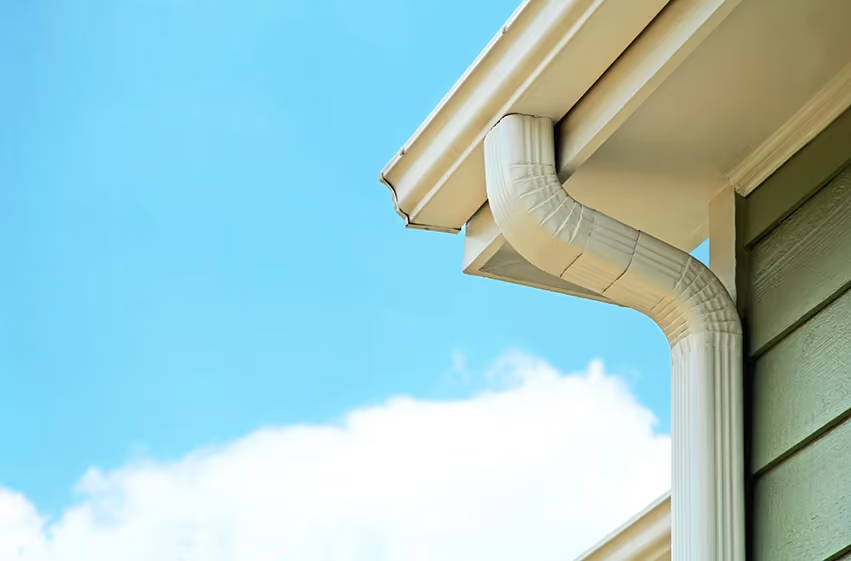
Look for gutter sections pulling away, downspouts that have disconnected and water marks that suggest overflow. Have debris removed safely and confirm that the system can carry water away from the roof edge.
Cleaning a gutter will not correct damaged flashing or solve every drainage problem. If water is reaching fascia or backing up in a particular area, ask for the cause to be identified. Our gutter services cover the system itself; related roof or trim damage may need its own repair.
Prepare the Yard and Household
Secure loose outdoor items when it is safe to do so. Have questionable tree limbs assessed by a qualified tree professional. Keep access to the house clear and know where you will shelter if severe weather develops.
Save your insurer’s contact information and keep a copy of the policy somewhere you can reach without entering a damaged part of the home. Photograph the property’s current condition before a storm is imminent.
Leave Roof Work to a Safe Weather Window
Do not climb onto the roof when wind, lightning, rain or ice makes access unsafe. If a problem appears during a storm, protect people first and arrange help when conditions allow.
Afterward, document visible changes from a safe location. Record the date, save receipts for temporary protection and contact your insurer about the claim process when appropriate. The Texas Department of Insurance home insurance guide covers post-loss steps and documentation.
Separate Urgent Protection From Permanent Repairs
An active leak may need temporary protection while the full repair is assessed. Ask what the temporary work will address, how long it is intended to remain and what follow-up is required.
For permanent work, compare the inspection findings with a written scope. Keep the dates and photos together. Ark can inspect storm-related roof damage and explain the condition before you approve the next stage of work.
For help planning the work before the next storm, schedule a storm preparation consultation. We can review the roof, drainage and exterior conditions with you.
← All Gazette posts