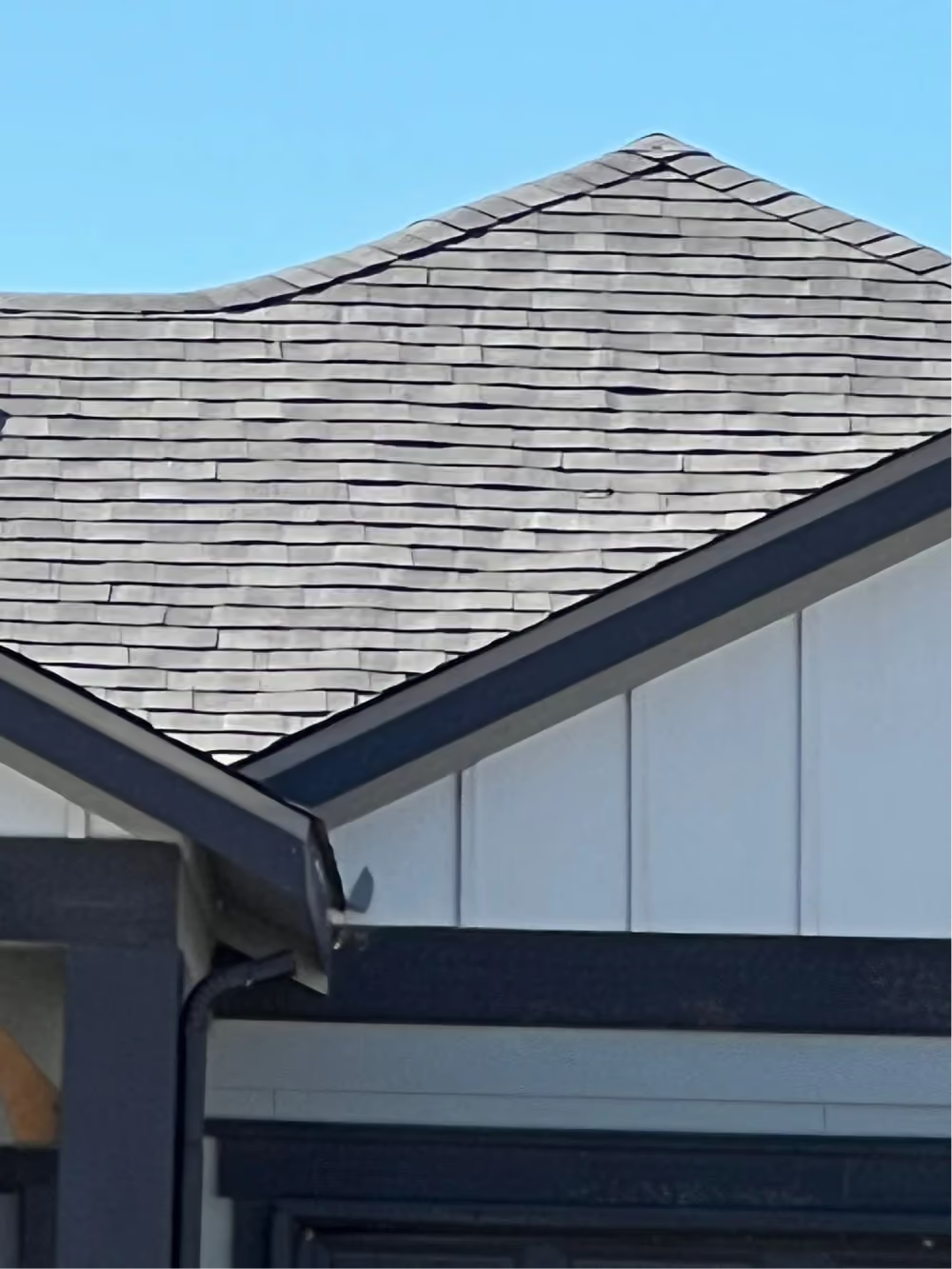
Curled Roof Shingles: What to Check After Winter Weather
If the edges of your shingles look raised after a cold front, have the roof checked before assuming they will settle back down. Curling, cupping and lifting can look similar from the driveway, but they do not all have the same cause.
The age of the shingles, their installation and the condition of the roof underneath help explain what you are seeing. A photo taken from the ground is a useful starting point, not a complete diagnosis.
Describe the Change You Can See
Note whether the change affects a few shingles or an entire roof section. Look for missing pieces, uneven edges or a raised line running across the roof. Record when you first noticed it and whether wind, freezing weather or a recent installation preceded it.
Older photos can help show whether the shape is new. Keep those records for the contractor rather than climbing onto the roof to press shingles flat.
Cold Weather Changes How Shingles Behave
Asphalt shingles can be less flexible in cold conditions, and new shingles may need suitable conditions for their sealant strips to bond. GAF’s cold-weather guidance explains why handling and installation instructions matter.
That does not establish cold weather as the cause of an older roof’s distortion. An inspection may need to consider material aging, attachment, ventilation and the deck. A raised edge alone cannot identify which of those is responsible.
Avoid weighing shingles down, bending them or applying a broad coating. A roofer should decide whether a manufacturer-approved localized repair is appropriate for the actual condition.
What We Need to Look At
Ark’s roof repair inspection documents the affected covering and surrounding details before recommending work. Relevant findings include cracked or missing material, the condition of the shingle seal and signs of water entry.
The attic may provide additional evidence where it can be accessed safely. Staining, damp insulation or changes in the deck need investigation. They should not be attributed to ventilation without checking for other moisture sources.
Repair Decisions Depend on the Extent
If damage is limited and the surrounding shingles remain serviceable, a repair may be possible. If deterioration is widespread or the shingles cannot be handled without further damage, replacement may be the more practical discussion.
Ask for photographs and an explanation of that decision. The recommendation should identify what can be repaired and what condition would remain afterward.
If water is entering the house, arrange help promptly and document what you can safely see indoors. Stay off an icy, wet or damaged roof. You can schedule an inspection to establish the condition and the next step.
← All Gazette posts