Spotting Hidden Hail Damage Before Your Insurance Claim Window Closes
A roof can take a hailstorm and not leak for months. Your claim deadline keeps running either way.
After a spring hailstorm, most homeowners check the ceilings, see no water and decide the roof came through fine. Hail rarely works that fast. It bruises shingles and knocks off granules, and the leaks show up a season or two later.
That delay matters because claims have deadlines. Texas law generally requires weather-related claims to be filed within one year of the date of loss, and your policy may set its own terms. Wait for a leak and you may be past the deadline, and the adjuster may argue the damage came from age or a later storm.
Why Hail Damage Is Hard to See From the Ground
Unless the stones were very large or the roof was already old, hail seldom tears a roof open. It does slower damage:
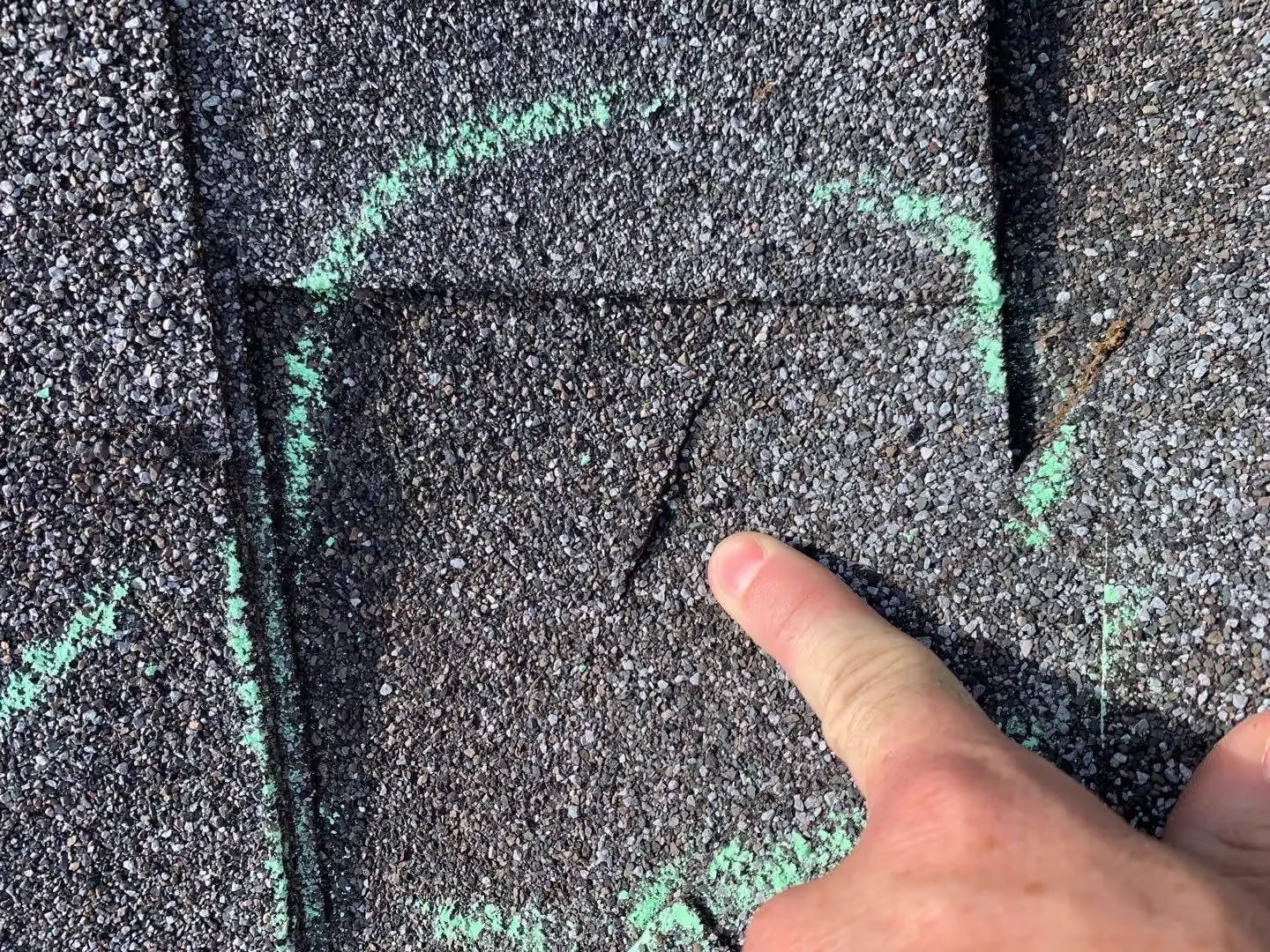
- Bruised shingles. An impact knocks granules loose and cracks the mat underneath. The spot looks minor from the yard, then breaks down in the sun over the following months.
- Dents in soft metal. Gutters, vent caps and AC fins dent more easily than shingles, so they show hail first.
You can spot most of the early clues without a ladder.
5 Signs of Hidden Hail Damage
- Dents in soft metal. Walk the house and look at the AC unit fins, gutters, downspouts, window screens and any metal vent caps you can see. Fresh dents and spatter marks mean hail hit hard enough to check the roof.
- Granules piling up. After a heavy rain, look at the splash blocks under your downspouts and the bottom of the gutters. A sudden pile of dark, sandy granules is worth a closer look. Granules alone don’t prove hail damage, since older roofs shed them too, but paired with dented metal they are a strong hint.
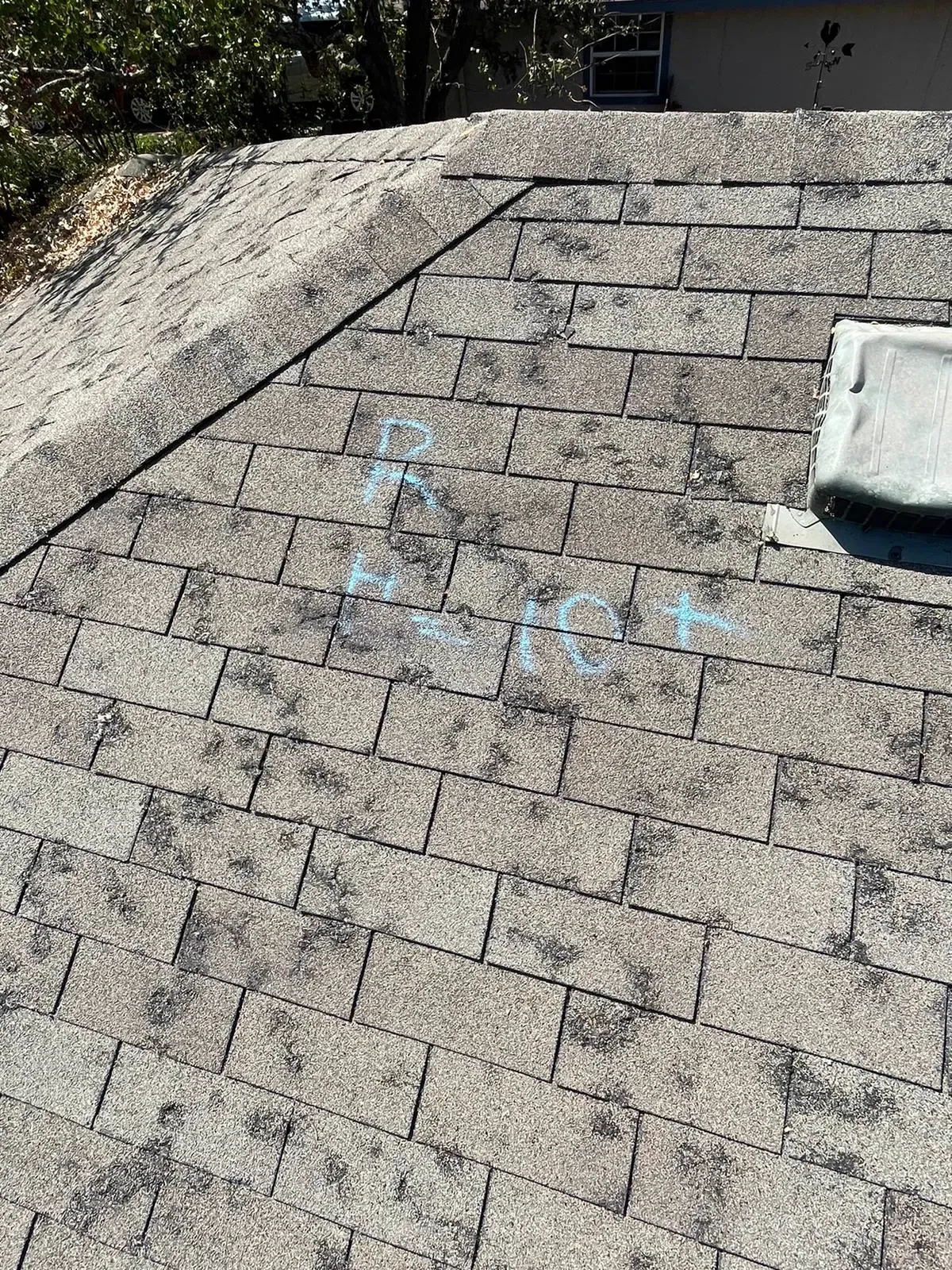
- Dark, smooth spots on the shingles. Hail knocks the granules off in small circles and leaves the black asphalt showing. You can sometimes see them with binoculars from the yard.
- Soft bruises. On the roof, an inspector presses each suspect spot. A hail bruise gives a little, like a bruised apple. This is the check you should leave to someone with fall protection.
- New roofs going up on your street. If roofers are replacing roofs on houses built around the same time as yours, your roof likely took the same storm.
Luke is a personable and honest professional. Every Ark Roofer service person that has visited our home has been courteous, forthright, and efficient, all at a high standard and fair price.
Jason came out and what a great experience. He was very personable and professional and gave me a great price. The work was done in two afternoons and Jason came back to review it.
Incredible roofing company that handles every project with professional expertise, superior products, and upgrades. This company makes sure you are aware of all your options every step of the way.
Inspecting Now vs. Waiting for a Leak
| Inspection soon after the storm | Waiting until a leak appears | |
|---|---|---|
| Tying damage to the storm | Dated photos line up with a known storm date | The adjuster may question whether wear or a later storm caused it |
| Your costs | Covered roof damage minus your deductible, per your policy | The same deductible, plus any interior damage the leak causes |
| Filing deadline | Well inside the window | May already have passed |
If the adjuster comes back with less than the damage you can see, our storm damage evidence report and insurance claims pages explain how we document and support a claim.

Get your roof checked before the deadline
An Ark inspector checks the shingles, vents, gutters and soft metals for hail hits and sends you more than 100 dated photos and video. If there is no damage, we will tell you that too.
Book a free inspectionHail Claim FAQs
How long do I have to file a hail claim in Texas?
Will a hail claim raise my insurance rates?
Can I check my own roof for hail damage?
For what hail does to a roof over time, read what hail damage can do to your roof. Or call 512-948-1638 to get on the schedule.