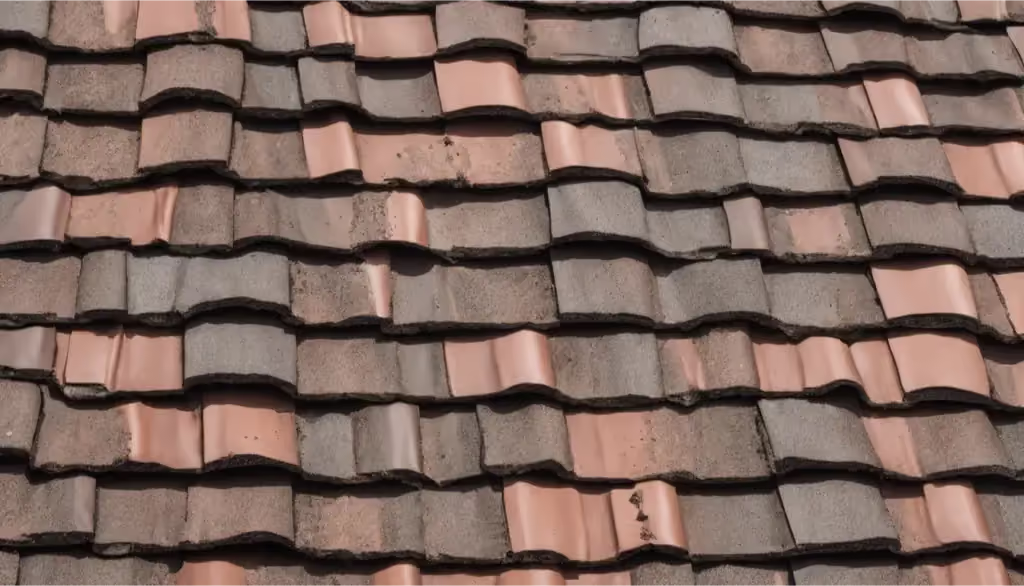
What Hail Damage Can Do to Your Roof
Hail can damage a roof without leaving a hole you can see from the yard. It can also dent a gutter or vent while leaving nearby shingles serviceable. The condition needs to be checked across the roof before anyone recommends a repair or replacement.
For a homeowner in Austin or Georgetown, the useful first step is a documented inspection. It should show what was found, where it was found and how it affects the roof.
What an Impact Can Affect
On asphalt shingles, an impact may displace protective granules or damage the material beneath them. Flashing, vents and other exposed roof details can also be affected. The outcome depends on the material and condition of the roof as well as the storm.
Loose granules by themselves do not prove hail damage. Wear, handling and other conditions can produce changes that need to be distinguished from an impact. Owens Corning’s hail-damage bulletin recommends a professional assessment and explains the limits of impact-resistant shingles.
Appearance and Performance Need Separate Explanations
A dent can change how a roof component looks. Damage that compromises a covering or connection can affect how it sheds water. A good inspection explains that distinction for each affected item instead of calling every mark the same thing.
Insurance coverage is a separate determination under the policy. Cosmetic exclusions, deductibles and the cause of the damage can affect a claim. A contractor’s photograph documents a condition; it does not decide what the insurer owes.
What to Record After a Storm
Wait until conditions are safe. From the ground, photograph visible damage to gutters, siding and accessible property. Note the storm date and keep any earlier roof photos that show its prior condition.
Inside, record new stains or dripping and save receipts for reasonable temporary protection. Arrange professional help for roof access or tarping. Do not climb onto a wet or storm-damaged roof to collect evidence.
Ark’s hail-damage service includes inspection and documentation. Roof photographs should identify the affected slope or detail so the findings can be discussed clearly.
When a Repair May Be Enough
Limited damage can sometimes be addressed by replacing affected materials and correcting the related details. The surrounding roof must be in suitable condition for that work.
Widespread damage, brittle surrounding material or problems below the covering can make the scope larger. Ask the contractor to show what supports the recommendation and explain what a smaller repair would leave unresolved. A storm passing through the neighborhood does not automatically mean every roof needs replacement.
For a disputed hail assessment, our hail documentation guide explains how to organize the findings. For the roof itself, start with an Austin or Georgetown inspection and a written explanation of what needs attention.
← All Gazette posts