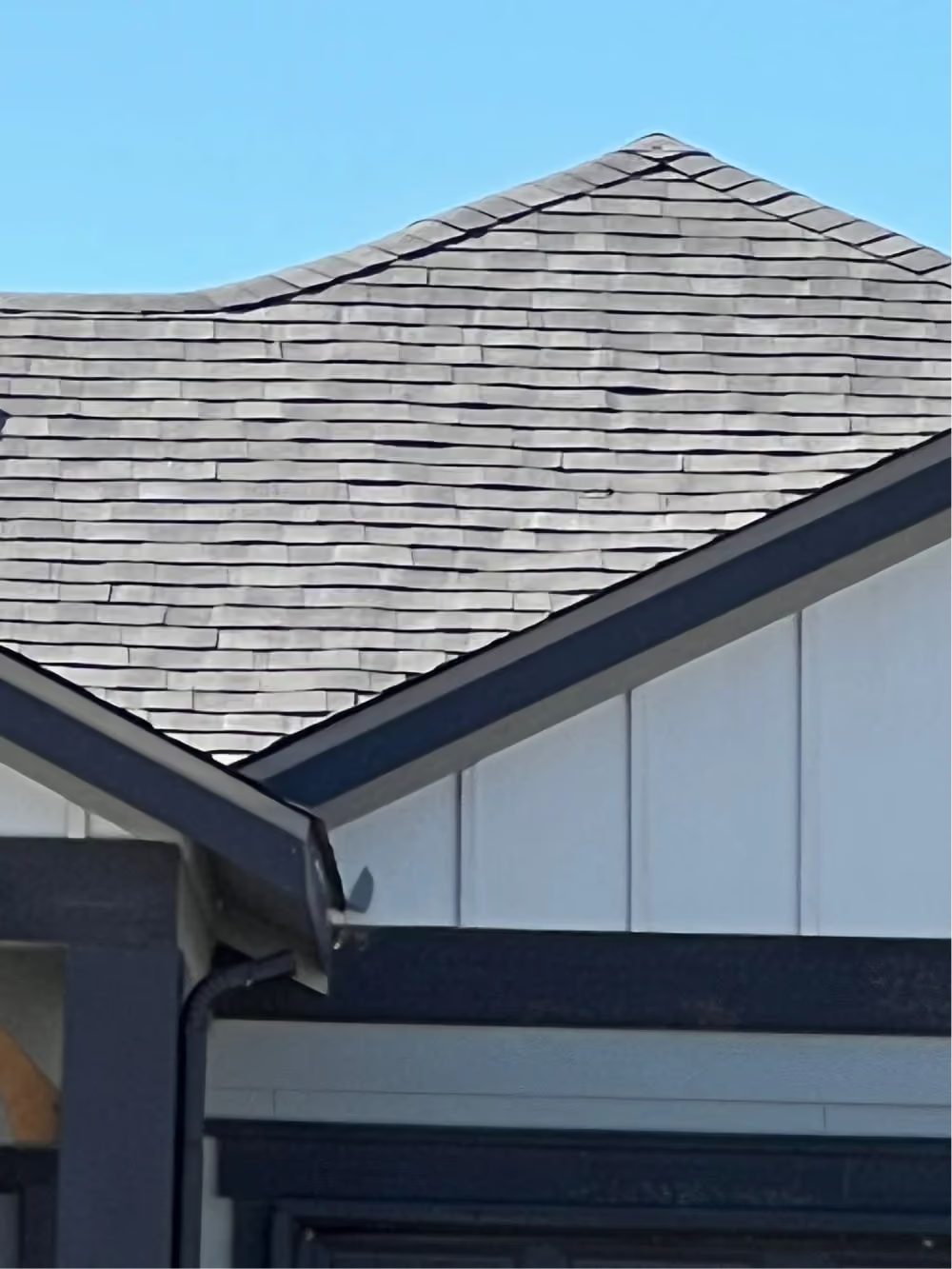
High Summer Electric Bills: Where to Start With the Roof and Attic
If the summer electric bill jumps, compare the usage as well as the dollars. A changed rate, a longer billing period or hotter weather can increase the bill even when nothing in the house has failed.
Once you understand that change, look at the home. The air conditioner, ducts, ceiling and roof can each affect how hard the system works. Replacing one item without checking the others can leave the original problem in place.
Start With the Cooling System and Usage
Compare kilowatt-hours across similar billing periods and note changes in thermostat settings, occupancy or weather. If the system struggles to cool or a room has changed noticeably, have an HVAC professional check the equipment and airflow.
Keep that assessment alongside any attic inspection. It helps distinguish an equipment issue from heat gain or cooled air escaping elsewhere.
Check Air Leaks Before Adding Insulation
Gaps around the attic hatch and other ceiling openings can allow air to move between the home and attic. Duct leakage can add another loss where ducts run through unconditioned space.
ENERGY STAR recommends addressing attic-floor air leaks before adding insulation. Work around lights, flues, wiring and fuel-burning equipment needs the appropriate materials, clearances and professional checks. Do not treat every opening as a place for a can of spray foam.
Ask for the locations that need work and the proposed method. The scope should explain whether duct repairs require an HVAC contractor and how the results will be checked.
Evaluate the Insulation That Is Already There
Depth alone does not tell the whole story. Coverage, gaps, compression and moisture affect performance. Have the existing material and the recommended level assessed for your home rather than choosing a universal thickness.
If the attic is vented, improvements must preserve the intended intake paths. If it is an unvented assembly, the roof-line insulation and air-control approach need to be reviewed as a system.
Put Roof and Ventilation Work in Context
A roof that needs repair should be addressed for its condition. If replacement is already appropriate, you can also discuss the thermal properties of the specific roofing products under consideration. Color by itself does not provide a reliable savings estimate.
Attic ventilation and a radiant barrier may have a role, depending on the assembly. A solar attic fan powers an attic fan with sunlight; it is not a whole-home solar-electric system. Its suitability still depends on the intake, exhaust and air-leak conditions.
Choose the Work You Can Explain
Ask each contractor to identify the problem, the proposed correction and the expected benefit. Keep urgent repairs separate from optional improvements so you can set priorities.
For the roofing and attic side, Ark can provide an attic ventilation assessment. Luke’s walkthrough of a hot attic shows the components involved. Bring the findings together before deciding which work is worth doing.
← All Gazette posts